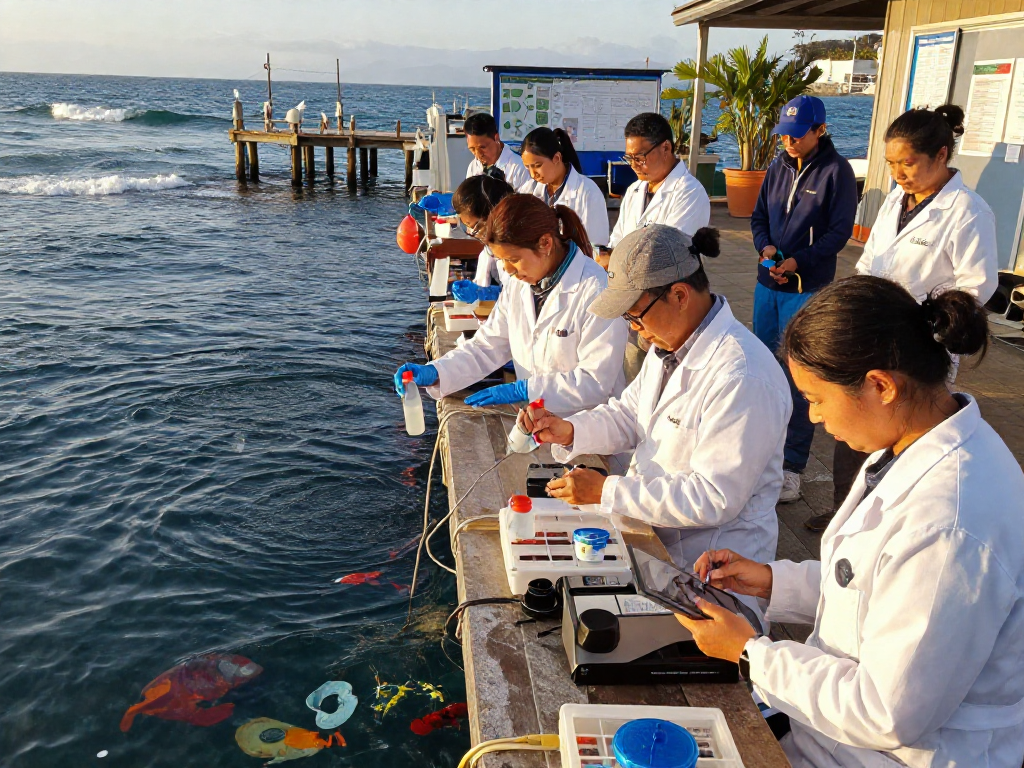
Understanding the Importance of Quality Research Equipment
Marine research plays a critical role in understanding our oceans and their ecosystems. As we face challenges like climate change and pollution, the need for accurate data and effective research becomes increasingly vital. However, one fundamental aspect that can significantly influence research outcomes is the quality of research equipment. When exploring options, Motchill provides comprehensive insights on selecting the right tools that meet the rigorous demands of marine science.
Why Quality Matters in Marine Research?
Quality research equipment ensures reliable data collection, which is pivotal for accurate analyses and conclusions. In marine research, where environmental variables can change rapidly, having robust and precise tools can make the difference between success and failure. Whether it’s measuring water quality, assessing biodiversity, or tracking changes in oceanic conditions, superior equipment enhances the credibility of the findings.
Common Challenges with Subpar Equipment
Using subpar equipment can lead to a variety of challenges, including inaccurate measurements, data loss, and increased project costs due to the need for repeated studies. For instance, outdated water testing kits might not adequately gauge pollutant levels, resulting in misinformed conclusions. Additionally, poor-quality gear may fail during critical research periods, potentially jeopardizing years of hard work.
Best Practices for Research Equipment Selection
When selecting research equipment, consider the following best practices:
- Assess Research Needs: Understand the specific parameters you need to measure and select tools accordingly.
- Check Specifications: Ensure the equipment meets the necessary regulatory standards.
- Evaluate User-Friendliness: Consider instruments that are easy to operate to reduce the likelihood of user error.
- Consult Experts: Seek recommendations from seasoned researchers or industry experts to identify high-quality products.
Identifying Key Features of Effective Sampling Tools
Essential Tools for Ocean Sampling
Effective ocean sampling relies on a variety of tools tailored to specific tasks. Instruments like CTD (Conductivity, Temperature, Depth) profilers are essential for measuring water column properties. Moreover, plankton nets are crucial for collecting micro-organisms to study biodiversity. Ensuring these tools are of high quality ensures that samples are collected efficiently and accurately.
Innovative Technologies in Water Quality Testing
Recent advancements in technology have led to innovative tools for water quality testing, such as remote sensing devices and automatic water samplers. These technologies allow for real-time data collection and monitoring, significantly improving the ability to respond to environmental changes. Utilizing such innovations can enhance the quality and efficiency of marine research projects.
Comparing Traditional vs. Modern Sampling Methods
The comparison between traditional and modern sampling methods showcases a clear evolution in marine research. Traditional methods often involve manual sampling techniques, which can be labor-intensive and prone to errors. In contrast, modern methods leverage automation and digital technologies that provide more accurate and timely data. This shift not only saves time but also allows researchers to focus on data analysis rather than collection.
Evaluating Supplier Reputation and Reliability
How to Verify Supplier Credentials?
In the marine research equipment market, supplier reputation is paramount. When evaluating suppliers, check for certifications, industry affiliations, and history within the marine research community. A reliable supplier should also be transparent about their manufacturing processes and quality control measures.
Importance of Customer Reviews and Case Studies
Customer reviews and case studies offer invaluable insights into a supplier's credibility. Engaging with existing customers or reading detailed reviews can help you gauge the performance and reliability of specific equipment. Case studies often highlight how particular tools have successfully addressed research challenges, providing concrete examples of their effectiveness.
Signs of a Trustworthy Supplier in Marine Equipment
Look for key indicators of a trustworthy supplier, such as:
- Responsive Customer Service: Quick responses to inquiries reflect a commitment to customer satisfaction.
- Warranty and Support: Comprehensive warranty offers demonstrate confidence in their products.
- Favorable Return Policies: A flexible return policy indicates trust in the equipment's performance.
Understanding Technical Support and Warranty Services
Key Aspects of Excellent Customer Service
Technical support is a crucial part of the buying experience, particularly for complex scientific equipment. Ideally, suppliers should offer 24/7 support, access to qualified technicians, and resources such as tutorials or manuals. Comprehensive customer service not only aids in resolving issues but also promotes the effective use of the equipment.
Evaluating Warranty Offers on Research Equipment
A robust warranty is a significant indicator of the equipment's quality. A lengthy warranty period often signifies that the manufacturer stands behind their products. It's essential to review what the warranty covers, including components and types of damages, to ensure you are adequately protected.
How Technical Support Enhances Research Quality?
Technical support can significantly enhance the quality of research. By providing immediate assistance during equipment failures or operational challenges, technicians can help prevent data loss and project delays. This support enables researchers to optimize their use of equipment, ensuring high-quality data collection throughout their projects.
Future Trends in Marine Research Equipment for 2026 and Beyond
Emerging Technologies Shaping Marine Research
As we approach 2026, the marine research field is poised for further technological advancements. Innovations such as AI-driven analytics, autonomous underwater vehicles (AUVs), and advanced sensors are redefining how researchers conduct studies. These technologies not only improve data accuracy but also expand the range and scope of research possibilities.
Impact of Sustainability on Equipment Choices
In response to global environmental challenges, sustainability is becoming a focal point for research equipment manufacturers. The demand for sustainable materials and energy-efficient technologies is influencing product design and manufacturing processes. Researchers are increasingly prioritizing equipment that minimizes ecological footprints and promotes conservation efforts.
Predictions for the Future of Marine Research Tools
Looking ahead, we can anticipate an increased integration of digital technologies in marine research. Tools equipped with IoT capabilities will allow researchers to gather and share data seamlessly. Additionally, the growing emphasis on collaboration and open data access is likely to enhance the collective understanding of marine ecosystems, ultimately leading to more informed conservation efforts.
What are the signs of good research equipment?
Good research equipment is characterized by accuracy, reliability, user-friendliness, and the availability of technical support. Quality equipment should also meet industry standards and provide consistent performance under various conditions.
How can I choose the best tools for ocean sampling?
To choose the best tools for ocean sampling, assess your specific research needs, consult with experienced marine scientists, and evaluate equipment based on features such as durability, ease of use, and the technological sophistication of the tools.
Why is supplier reliability important for research?
Supplier reliability is crucial for ensuring that researchers have access to high-quality equipment and timely support. Reliable suppliers can help mitigate the risks associated with equipment failure and ensure that research projects stay on track.
What technological advancements should I look for?
Look for advancements such as automation in data collection, real-time monitoring capabilities, and the integration of AI for enhanced data analysis. Tools that utilize advanced sensors for environmental monitoring are particularly beneficial in marine research.
How do warranties affect the long-term use of equipment?
Warranties play an important role in the long-term use of equipment by providing assurance that the manufacturer will address defects or failures. A strong warranty can reduce overall costs, allowing researchers to invest confidently in high-quality tools.