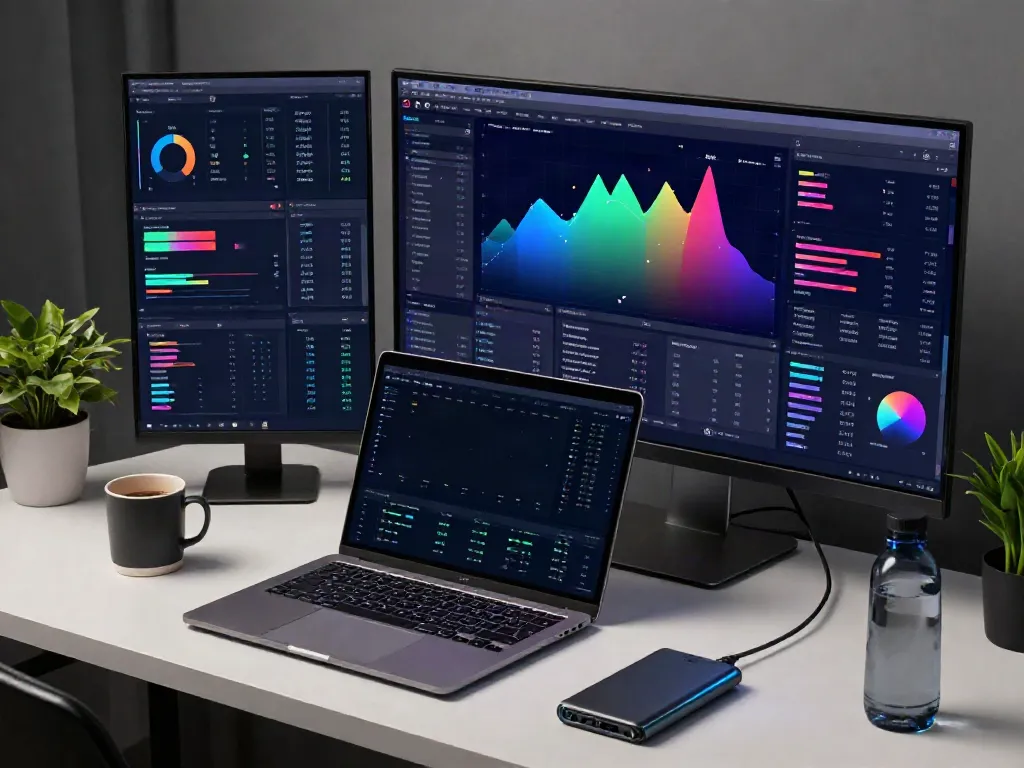
Understanding the Gold Price API
As blockchain technology continues to reshape the financial services landscape, innovative applications arise to address various market needs. One such application is the 黃金即時價格接口, which provides developers with real-time data for gold and other essential commodities. This API not only enhances transparency but also empowers market participants to make informed decisions based on accurate data. In this article, we will delve into the features of the Gold Price API, explore its applications, and investigate its potential within the crypto trading ecosystem.
What is 黃金即時價格接口?
The 黃金即時價格接口, or Gold Price API, is a powerful tool designed to offer up-to-the-minute pricing data for gold (XAU/USD) along with a wide range of other commodities such as silver, crude oil, and agricultural products. Utilizing both RESTful queries and WebSocket technology, this API enables users to either request historical data or subscribe to real-time updates. This makes it highly versatile for various applications including trading, research, and investment analysis.
Key Features of the Gold Price API
- Real-time Updates: The API uses WebSocket for instantaneous data push, allowing users to receive live updates on pricing.
- Historical Data: Users can access extensive historical price data for backtesting trading strategies and conducting analyses.
- Multi-Commodity Coverage: In addition to gold, the API supports silver, natural gas, copper, and various agricultural commodities, showcasing a holistic approach to commodity data.
- Access through REST and WebSocket: This dual-access feature enables flexibility in how developers integrate the API into their applications.
- User-Friendly Documentation: Comprehensive guides and tutorials assist developers in leveraging the API effectively.
Applications in Cryptocurrency Trading
In the rapidly evolving world of cryptocurrency trading, reliable data feeds are essential for executing informed decisions. The黃金即時價格接口 plays a crucial role in bridging the gap between traditional commodities and digital assets. Traders can utilize real-time gold pricing to hedge against market volatility, enabling better risk management and forecasting. Furthermore, by integrating gold price data, crypto exchanges can create unique trading instruments that include fiat-backed assets or synthetic products tied to commodity prices.
Blockchain Technology Fundamentals
Introduction to Blockchain and Its Layers
At its core, blockchain technology is a distributed ledger system that allows for secure and transparent transaction recording without the need for a central authority. The foundational aspect of blockchain lies in its ability to maintain a tamper-proof record of transactions through a series of blocks that are cryptographically linked. Each block contains a set of transactions, a timestamp, and a reference to the previous block's hash, creating a secure chain of data.
Consensus Mechanisms: PoW vs. PoS
Consensus mechanisms are critical to how blockchains validate transactions and add new blocks. The two most common types are Proof of Work (PoW) and Proof of Stake (PoS). PoW, employed by Bitcoin, requires miners to solve complex mathematical problems to validate transactions, whereas PoS allows validators to create new blocks based on the number of coins they hold and are willing to "stake." Understanding these mechanisms is essential as they impact blockchain security, efficiency, and sustainability.
Smart Contracts and Automated Transactions
Smart contracts are self-executing contracts with the terms of the agreement directly written into code. They operate on blockchain networks and automatically enforce and execute conditions once predetermined parameters are met. This feature eliminates the need for intermediaries, reduces transaction times, and fosters transparency. In the context of the 黃金即時價格接口, smart contracts can automatically execute trades based on real-time commodity prices, enhancing trading functionalities.
Trading Strategies and Technical Analysis
Identifying Trends Using Technical Indicators
Technical analysis relies on historical price data to predict future market movements. Traders commonly utilize indicators such as Moving Averages, Relative Strength Index (RSI), and Bollinger Bands to discern market trends. Integrating real-time updates from the 黃金即時價格接口 can amplify these analyses, providing traders with actionable insights into price movements that influence their trading strategies significantly.
Risk Management Techniques in Crypto Trading
Risk management is paramount in crypto trading due to the high volatility associated with digital assets. Employing strategies such as stop-loss orders, position sizing, and diversification helps traders mitigate potential losses. By incorporating commodity data from the Gold Price API, traders can develop stronger hedging strategies to protect their investments against downturns in both the crypto and commodity markets.
Utilizing the Gold Price API for Market Predictions
The Gold Price API can be leveraged for predictive analytics in market trends. By analyzing real-time data, traders can identify correlations between gold prices and cryptocurrency market movements, thereby enhancing their predictive models. This analytical approach enables traders to adjust their portfolios dynamically based on market conditions, thereby enhancing profitability.
Understanding Decentralized Finance (DeFi)
Core DeFi Platforms and Their Importance
Decentralized Finance, or DeFi, represents a paradigm shift in how financial services are delivered, utilizing blockchain technology to create open-source, permissionless financial systems. Core platforms such as Uniswap, Aave, and Compound allow users to trade, lend, and borrow without intermediaries, creating a more inclusive financial environment. The integration of gold price data into these platforms could introduce new decentralized financial products tied to real-world assets.
Yield Farming and Liquidity Pools Explained
Yield farming enables users to earn rewards by providing liquidity to DeFi protocols through liquidity pools. Users deposit cryptocurrencies into these pools and receive fees or newly minted tokens in return. By adding stability through commodity-anchored tokens, such as those linked to gold prices, these yields can be significantly enhanced, drawing more liquidity into the DeFi ecosystem.
Integrating Gold Price APIs in DeFi Strategies
Integrating the 黃金即時價格接口 into DeFi strategies allows financial product developers to create innovative solutions that hedge against volatility while capturing the value of commodity prices. For instance, creating collateralized loans against gold-backed tokens provides additional security and lower risks compared to other volatile assets, thereby attracting a broader range of investors.
Addressing Security in Cryptocurrency
Setting Up a Secure Wallet for Crypto Assets
Security is a major concern in the cryptocurrency space, and setting up a secure wallet is one of the first steps to safeguarding digital assets. Users are encouraged to utilize hardware wallets like Ledger or Trezor for maximum security or to create multi-signature wallets that require multiple approvals before transactions can be executed.
Common Security Threats in Cryptocurrency
Cryptocurrency users must be aware of various threats such as phishing attacks, malware, and scams, including Ponzi schemes and fake ICOs. Understanding these common threats and adopting best practices can significantly reduce the risk of loss. Regular updates and employing anti-malware solutions can be effective strategies.
Best Practices for Protecting Your Investments
To safeguard investments in cryptocurrencies, individuals should prioritize private key management, enable two-factor authentication, and remain skeptical of unsolicited communications. Educating oneself on security best practices is vital for long-term success in the crypto space, especially when integrating tools such as the 黃金即時價格接口.
DeFi & Advanced Topics
Explaining DeFi Protocols and Mechanisms
DeFi protocols represent cutting-edge technological advancements in finance. They allow for decentralized exchanges (DEXs), lending, and derivatives trading. Understanding the intricacies of these systems, such as Automated Market Makers (AMMs) and liquidity mining, is crucial for both developers and users looking to maximize their potential returns.
Smart Contracts and dApp Development
The development of smart contracts requires knowledge of programming languages like Solidity and an understanding of the Ethereum Virtual Machine (EVM). Smart contracts allow for the automation of transactions and serve as the backbone of DeFi applications. A thorough audit of these contracts is vital to ensure security and performance, especially in environments dealing with real-time pricing data.
Cover Layer-2 Scaling Solutions
Layer-2 scaling solutions, such as rollups and state channels, are essential for enhancing blockchain transaction throughput and reducing costs. These technologies can help mitigate issues of congestion and high fees in busy blockchains, improving the user experience and encouraging greater adoption of DeFi products.
Regulatory & Legal Compliance
Understanding the 2026 Regulatory Landscape
The regulatory environment for cryptocurrencies and blockchain technologies is continually evolving. In 2026, it is important to stay informed about SEC regulations regarding securities classification, CFTC oversight on crypto derivatives, and emerging regulations like the Markets in Crypto-Assets (MiCA) in the EU. Compliance with Anti-Money Laundering (AML) and Know Your Customer (KYC) requirements will also remain critical for all market participants.
Addressing Legal Considerations
Projects must ensure compliance with international laws to prevent legal repercussions. Distinguishing between securities and utility tokens, understanding accredited investor requirements, and keeping explicit communication on the regulatory status of tokens can save projects from substantial fines or bans.
Security Threats & Risk Management
Explaining Common Security Threats
In a decentralized ecosystem, the range of potential security threats is broad, from phishing attacks to sophisticated manipulations like 51% attacks. Investors must stay vigilant and educate themselves about the threat landscape to safeguard their assets.
Providing Risk Mitigation Strategies
Mitigating risks in cryptocurrency investment entails due diligence, red flag identification, and community reputation verification. Developing a checklist for investment opportunities and employing gradual entry strategies can be beneficial for new investors navigating this volatile marketplace.
Content Quality & Depth
This exploration of the 黃金即時價格接口 and its relevance in the broader cryptocurrency and DeFi landscape illustrates the merging pathways between traditional asset markets and blockchain technology. By providing technically accurate insights and actionable strategies, this article aims to serve both novice and experienced participants in the crypto landscape. The blending of real-time commodity data with innovative financial products presents a transformative opportunity, thereby emphasizing the need for continual learning and adaptation in this fast-paced sector.