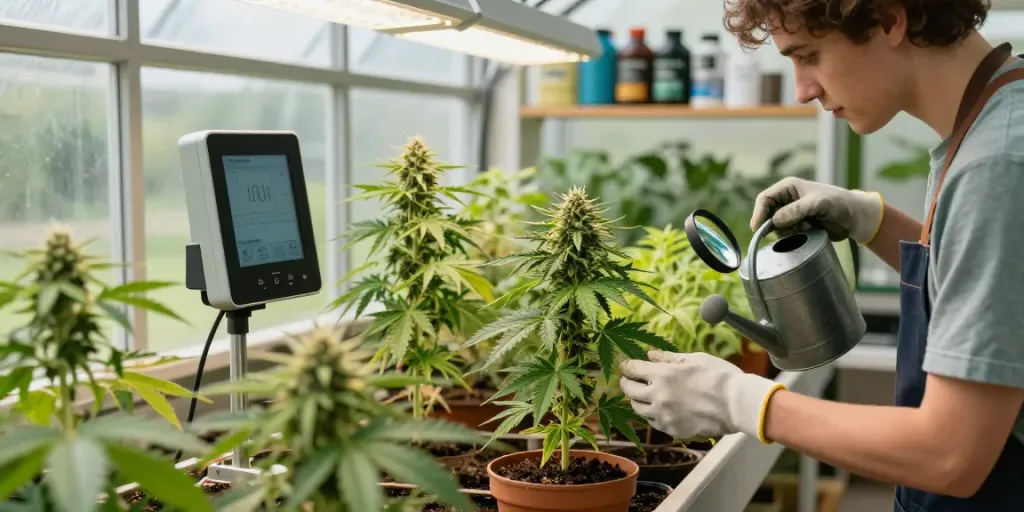
Understanding the Health Benefits of CBD
As interest in alternative wellness solutions continues to grow, the health benefits of CBD (cannabidiol) have captured the attention of both consumers and researchers alike. CBD, a non-psychoactive compound derived from the hemp plant, interacts with the endocannabinoid system (ECS) in the body, which plays an essential role in regulating various physiological processes. With a commitment to quality and transparency, Firebudz, a leading nationwide online dispensary, offers a range of premium CBD products that can enhance overall wellness.
What are the Therapeutic Applications of CBD?
Extensive research has explored the therapeutic applications of CBD for a variety of health concerns. Notably, studies suggest that CBD may have potential benefits in managing anxiety, reducing inflammation, and improving sleep quality. Current clinical trials are assessing the efficacy of CBD in treating conditions such as epilepsy, chronic pain, and even neurodegenerative disorders. The promising results underscore CBD's role as a significant player in natural healthcare solutions.
How CBD Can Support Mental Wellness
Many users have reported improvements in mental health when incorporating CBD into their routines. Research indicates that CBD can help reduce symptoms of anxiety and depression by interacting with serotonin receptors in the brain. This interaction may increase serotonin levels, leading to enhanced mood regulation. Furthermore, using CBD for stress management supports a holistic approach to mental wellness by promoting relaxation and improved focus.
Exploring CBD's Role in Pain Management
CBD's anti-inflammatory properties make it a compelling option for pain relief. Studies reveal that CBD can alter pain perception through its interaction with ECS receptors, potentially providing relief for chronic pain sufferers. Many users have turned to CBD products like oils and creams to manage conditions such as arthritis and migraines, leading to improved quality of life.
Types of CBD Products Available
With the rising popularity of CBD, an array of product types is now available in the market, catering to different preferences and lifestyles. Consumers can choose from oils, edibles, topicals, and vape products. Each category has its own set of benefits and uses, making it essential for users to understand their options when selecting CBD products.
Oils, Tinctures, and Their Uses
CBD oils and tinctures are popular choices due to their versatility and potency. They are typically taken sublingually, allowing for quick absorption into the bloodstream. Users can easily adjust their dosage, making it a suitable option for various needs. The onset time for oils can range from 15 to 60 minutes, which allows for personalized management of symptoms.
Understanding CBD Edibles and Their Dosage
Edibles, such as gummies and capsules, represent an enjoyable way to consume CBD. However, they have a different absorption rate compared to oils, as they must pass through the digestive system first, leading to a longer onset time, typically between 30 to 90 minutes. Accurate dosing is crucial with edibles, as effects can vary based on individual metabolism and the specific formulation of the product.
Topicals vs. Vaping: Choosing the Right Method
While topicals provide targeted relief for localized pain and discomfort through transdermal absorption, vaping offers rapid effects for those seeking immediate relief. Vape products come in various forms, including cartridges and disposable pens, and provide flexibility and convenience. When choosing between these methods, consider your desired effects, how quickly you need relief, and your personal preferences.
Dosage Guidelines for Effective Use
Determining the correct dosage of CBD is crucial for maximizing benefits while minimizing potential side effects. Users should adopt a "start low and go slow" approach to identify their optimal dose. This involves beginning with a low amount and gradually increasing until the desired effects are achieved.
How to Calculate Your Ideal CBD Dosage
Your ideal CBD dosage depends on multiple factors, including body weight, individual tolerance, and the specific condition being addressed. A general guideline is to take 1-6 mg of CBD per 10 pounds of body weight. However, consulting with a healthcare professional is advised to create a personalized plan.
Understanding Titration for Personal Needs
Titration is the process of adjusting doses based on observed effects. By documenting your experience and any changes in symptoms, you can fine-tune your dosage more accurately. This method is particularly effective for those new to CBD, allowing for gradual adaptations that suit individual needs.
Common Mistakes in Dosage and Usage
Common mistakes in CBD use include taking too much too soon or expecting immediate results without patience. It is essential to remember that everyone’s body reacts differently to CBD, and effects may take time to manifest. Following dosage guidelines and being consistent in your routine can help achieve the best results.
Quality Standards and Third-Party Testing
The quality of CBD products is paramount for safety and efficacy. Consumers should prioritize products that undergo third-party testing, ensuring transparency and reliability. Certificates of Analysis (COAs) verify the product's content, potency, and absence of harmful contaminants.
Understanding COAs and What They Mean
A COA provides crucial information about a CBD product's composition. It typically includes detailed information on cannabinoid content, including CBD levels, THC levels (under 0.3% for legal compliance), and testing for impurities such as heavy metals and pesticides. Consumers must know how to interpret COAs to ensure the products they choose meet quality standards.
Identifying High-Quality CBD Products
High-quality CBD products are often backed by transparent sourcing methods, including organic farming and rigorous testing. Brands that adhere to Good Manufacturing Practices (GMP) are also likely to produce reliable products. Seek out companies with positive customer reviews and a proven track record in safety and transparency.
The Importance of Lab Testing for Safety
Third-party lab testing is critical for confirming product safety and efficacy. Such tests help ensure that products are free from harmful contaminants and confirm that the labeled cannabinoid content matches what is actually present in the bottle. Prioritizing products from manufacturers that routinely test their products can help avoid low-quality or potentially harmful CBD items.
Legal Considerations for CBD in 2026
With evolving regulations surrounding cannabis, understanding the legal landscape for CBD is crucial for consumers. The 2018 Farm Bill legalized hemp-derived CBD containing less than 0.3% THC on a federal level but allows states to regulate CBD usage independently.
Current Regulations Surrounding Hemp-Derived CBD
In 2026, the regulatory framework surrounding CBD remains complex, with individual states establishing their own laws regarding sales and distributions. Consumers must stay informed about their state's position on CBD and potential changes in legislation to ensure compliance.
Differences Between CBD and THC Legality
While CBD is legal federally as a hemp-derived product, THC remains subject to stricter regulations due to its psychoactive properties. Understanding these differences is essential for consumers to navigate legality and ensure responsible use, especially concerning drug testing considerations.
How to Stay Informed on Legislative Changes
Keeping abreast of legislative changes requires attention to local news, government websites, and updates from national organizations advocating for cannabis policy reform. Following reputable cannabis and wellness news sources can provide insight into shifts in regulations that might affect CBD users.
What Should I Know About CBD Side Effects?
While CBD is generally well tolerated, some users may experience mild side effects, including drowsiness, dry mouth, and changes in appetite. Awareness of potential side effects can help manage them effectively while using CBD products.
How Does CBD Interact with Other Medications?
CBD has the potential to interact with certain medications due to its effect on liver enzymes that metabolize drugs. Users should consult with a healthcare professional before using CBD in conjunction with prescription medications to avoid complications or adverse effects.
Can I Use CBD Products During Pregnancy?
Currently, there is limited research on the safety of CBD use during pregnancy. Pregnant individuals are advised to consult their healthcare provider before using any CBD products to ensure the well-being of both mother and child. Caution is prudent in this area as more studies are needed.
How to Determine the Right Storage Conditions for CBD?
Proper storage is vital for maintaining the potency of CBD products. Keep them in a cool, dark place away from direct sunlight and extreme temperatures. Containers should be tightly sealed to avoid exposure to air, which can lead to degradation.
What Are the Best Practices for Storing CBD Products?
- Store in a dark, cool environment.
- Avoid bathrooms or areas with high humidity.
- Keep products in the original containers, tightly sealed.
Which Brands are Known for Transparency and Quality?
Brands that provide clear, detailed information about their sourcing, manufacturing, and testing processes are ideal choices for consumers seeking quality. For more information, top shelf flower delivery offers valuable insights. Researching brands and their reputations can help identify those that prioritize transparency and customer safety.