
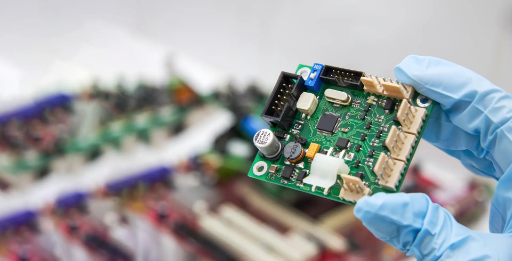
Electrical terminals are essential components used in electrical and electronic systems to create crimp connectors between wires, devices, and equipment. They help ensure efficient power transmission, improve system organization, and support long-term reliability. From industrial machinery and automotive systems to household appliances and communication equipment, electrical terminals are widely used across numerous applications.
Understanding the different types of electrical terminals can help engineers, technicians, and manufacturers select the most suitable solution for their specific requirements.
The Growing Importance of Electrical Terminals
Modern electrical systems often contain numerous circuits and connection points that require dependable performance. Without secure terminals, electrical connections may become loose, leading to system failures, maintenance issues, and reduced efficiency.
Electrical terminals simplify wiring installations while providing reliable connection points that help maintain consistent electrical performance. Their importance continues to increase as technology becomes more advanced and interconnected.
Common Types of Electrical Terminals
Ring Terminals
Ring terminals feature a circular connector that fits around a screw or stud. They provide secure connections and are commonly used in automotive, industrial, and power distribution applications.
Spade Terminals
Spade terminals, also known as fork terminals, allow wires to be connected and disconnected without completely removing mounting screws. They are widely used in control panels and electrical equipment.
Butt Connectors
Butt connectors are designed to join two wires together end-to-end. They are commonly used for wire repairs and extensions in electrical systems.
Blade Terminals
Blade terminals consist of male and female connector pairs that provide quick and secure electrical connections. They are frequently found in automotive and appliance applications.
Pin Terminals
Pin terminals feature a solid pin that fits into terminal blocks and connector housings. They are often used in industrial control systems and communication equipment.
Quick Disconnect Terminals
Quick disconnect terminals are designed for easy installation and removal. They are commonly used in equipment that requires frequent maintenance or component replacement.
Benefits of Electrical Terminals
Secure Electrical Connections
Electrical terminals provide stable contact points that help maintain reliable power and signal transmission.
Simplified Installation
Terminals make it easier to connect wires to equipment, reducing installation time and improving assembly efficiency.
Improved Safety
Properly installed terminals help reduce the risk of loose connections, electrical faults, and overheating.
Easier Maintenance
Terminals simplify troubleshooting and component replacement, helping technicians perform maintenance more efficiently.
Enhanced Reliability
High-quality terminals help ensure consistent electrical performance and support long-term system operation.
The Role of crimp connectors in Terminal Applications
Crimp connectors are commonly used with electrical terminals to create secure wire connections. By mechanically compressing the connector onto the wire, crimp connectors provide excellent electrical conductivity and strong mechanical retention.
High-quality crimp connectors help reduce connection failures, improve system reliability, and support long-term electrical performance in a wide range of applications.
Why wire terminals Are Essential in Electrical Systems
Wire terminals are among the most widely used connection components in modern electrical installations. They help connect wires to switches, circuit breakers, terminal blocks, and other electrical devices while maintaining stable electrical contact.
Using dependable wire terminals can improve system efficiency, simplify maintenance procedures, and enhance overall reliability. Their versatility makes them suitable for countless industrial, commercial, and automotive applications.
Choosing the Right Electrical Terminal
Selecting the right terminal depends on several factors, including wire size, current requirements, environmental conditions, and installation methods. Choosing an appropriate terminal helps ensure safe operation and long-term system performance.
It is also important to use quality crimp connectors and reliable wire terminals to maintain secure electrical connections and support efficient power transmission.
Conclusion
Electrical terminals play a vital role in modern electrical systems by providing secure and reliable connection points for power and signal transmission. From ring terminals and spade terminals to butt connectors and pin terminals, each type serves a specific purpose within electrical installations.
When combined with high-quality crimp connectors and dependable wire terminals electrical terminals help create efficient, safe, and reliable electrical systems. As technology continues to advance, the importance of selecting the right terminal solutions will remain essential for achieving long-term performance and operational success.