Understanding the Polish Community in San Francisco
San Francisco’s Polish community has a rich history that reflects the journey of Polish immigrants and their descendants. As one of the major cities in the United States, San Francisco has long served as a cultural melting pot, where individuals from diverse backgrounds come together to share their heritage and experiences. The community provides a welcoming environment for Polish nationals and those connected to Polish culture, helping to maintain their identity amidst the vibrant tapestry of the Bay Area. For further details and resources about this community, you can visit https://www.sfpol.com/.
Historical Significance of Polish Immigration
The Polish immigration to America dates back to the 19th century, with many Poles seeking refuge from political turmoil and economic hardship in their homeland. The first significant wave of Polish immigrants arrived in San Francisco in the late 1800s, drawn by opportunities for work, particularly in industries such as construction, manufacturing, and agriculture. Over the decades, Polish families established roots in the city, creating a vibrant cultural enclave that celebrated their customs and traditions.
Current Demographics and Cultural Dynamics
Today, the Polish community in San Francisco consists of both long-standing families and newer arrivals. The current demographic landscape reflects a blend of age groups, from elderly members who retain strong ties to traditional Polish culture, to younger generations who are exploring their heritage in modern ways. Community leaders actively promote engagement through cultural events, language classes, and networking opportunities, ensuring that both newcomers and established families feel connected.
Impact of Community on Local Identity
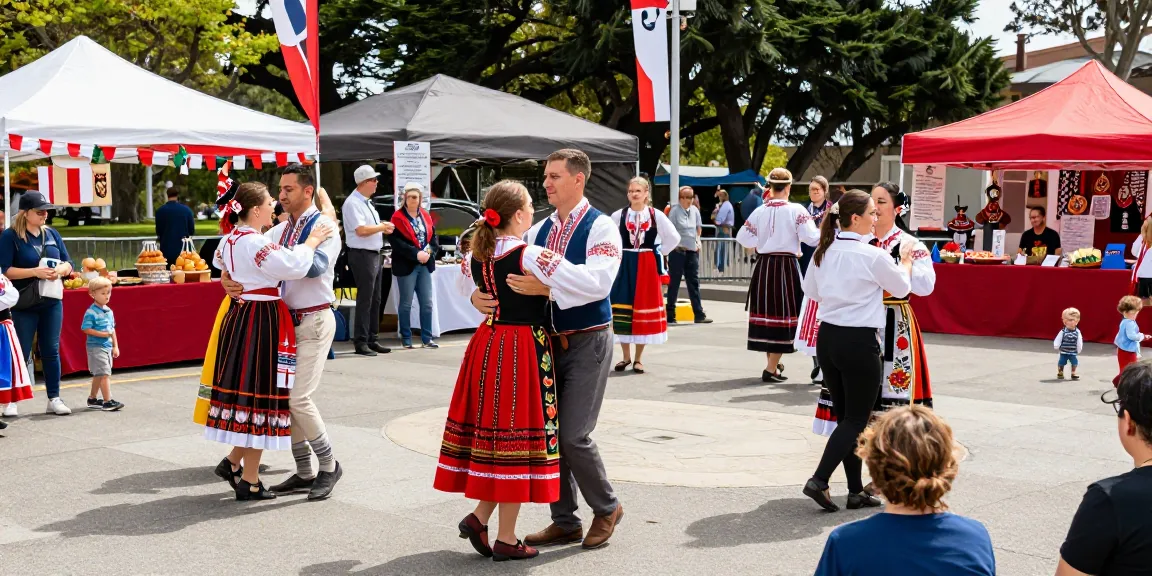
The Polish community significantly contributes to the local identity of San Francisco by infusing the city with Polish culture, cuisine, and traditions. Annual events such as Polish Independence Day celebrations, cultural festivals, and art exhibitions not only serve to honor Polish heritage but also invite the wider community to partake in these vibrant experiences. This cultural exchange fosters mutual understanding and enriches the San Francisco cultural landscape.
Benefits of Joining the Polish Community
Becoming a part of the Polish community in San Francisco presents numerous advantages, especially for newcomers seeking to establish their footing in a new environment. Membership provides access to a wealth of resources, connections, and cultural experiences that can enhance one’s life in the Bay Area.
Networking Opportunities for Newcomers
For those who have recently relocated, joining the Polish community can facilitate essential networking opportunities. Community events allow newcomers to meet others with similar backgrounds, share experiences, and build friendships. Networking with established members can also lead to job opportunities, mentorship, and guidance in navigating life in a new city.
Access to Cultural Resources and Education
Members of the Polish community have access to cultural resources, including language classes, educational workshops, and literature that celebrate Polish history and traditions. These resources are invaluable for individuals looking to maintain their cultural heritage or simply learn more about their ancestry. Participating in educational programs fosters a deeper appreciation for Polish culture, enriching the personal lives of community members.
Participation in Celebrating Polish Heritage
Engagement in communal celebrations of Polish heritage is a significant benefit of being part of the Polish community. Events such as the annual Polish Festival and Christmas markets provide a platform to celebrate Polish food, music, and art. Through these gatherings, members not only enjoy a sense of belonging but also contribute to the preservation of Polish culture for future generations.
Challenges Facing the Polish Community
Despite the many benefits of belonging to the Polish community, there are also challenges that members face. Understanding these difficulties is crucial for the community’s growth and support systems to help members navigate them.
Language Barriers and Communication Issues
Language can be a significant barrier for newcomers, particularly for those who may not be fluent in English. This presents challenges in daily interactions, job opportunities, and community engagement. To address these issues, community leaders often organize language classes that cater to various skill levels, helping individuals improve their communication abilities and integrate more seamlessly into the broader society.
Integration into Broader San Francisco Culture
Integrating into the diverse cultural fabric of San Francisco can be daunting. The Polish community often finds itself balancing the preservation of its traditions while also embracing local customs. This process requires open-mindedness and a willingness to learn, as members strive to forge connections with other cultural groups while remaining rooted in their identity.
Maintaining Cultural Identity in a Diverse Environment
With the vibrant diversity of San Francisco, maintaining a distinct cultural identity can be a challenge for the Polish community. The influx of various cultures and traditions demands an ongoing effort to celebrate and impart Polish customs to younger generations. Through dedicated programs and events, the community aims to ensure that Polish culture remains a vibrant part of the city’s broader cultural landscape.
Effective Strategies for Community Engagement
To foster a thriving and inclusive community, effective engagement strategies are essential. These strategies help nurture a sense of belonging among members and encourage active participation in communal life.
Creating Inclusive Social Programs
Inclusive social programs are essential for attracting a diverse array of community members. Activities such as potluck dinners, cultural workshops, and family-friendly events provide opportunities for people of all ages to come together, share experiences, and learn from one another. By ensuring that events cater to the interests of a wide demographic, the community can foster a more cohesive and supportive environment.
Utilizing Digital Platforms for Outreach
In today’s digital age, leveraging technology is vital for community outreach. Platforms like NAGA2000 provide a structured and reliable way for members to connect, share information, and stay updated about community events. Utilizing social media and community websites not only enhances communication but also attracts newer, tech-savvy members who may prefer to engage online.
Collaborating with Local Organizations and Businesses
Collaboration with local organizations and businesses can enhance the community’s visibility and resources. Partnerships with cultural organizations, educational institutions, and local businesses can lead to joint events, sponsorships, and greater awareness of Polish culture in San Francisco. This collaborative spirit strengthens community ties and promotes a shared sense of identity.
Future Trends for the Polish Community by 2026
Looking ahead, numerous trends are emerging that may impact the Polish community in San Francisco in the coming years. Understanding these trends can help community members adapt and thrive in an evolving environment.
Emerging Technologies and Community Building
As technology continues to advance, the Polish community is likely to see more digital tools being integrated into community activities. From virtual events to enhanced online communication, these tools can facilitate greater connection among members, especially for those who may be unable to attend in-person gatherings. Utilizing such technology can foster a sense of community while also providing convenience.
Focus on Sustainability and Cultural Preservation
Sustainability is becoming increasingly important among cultural communities, including the Polish community in San Francisco. Efforts to preserve cultural practices in environmentally friendly ways, such as organizing green events or sustainable festivals, will likely become a focus. This not only aligns with contemporary societal values but also enhances the community’s integrity and relevance.
Predictions for Community Growth and Development
As the world becomes more interconnected, the Polish community is expected to grow and diversify further. Newer waves of Polish immigrants might bring fresh perspectives, experiences, and cultural practices, contributing to the evolution of the community. With proactive engagement strategies, the Polish community in San Francisco can ensure its growth remains positive and enriching.
What programs are available for Polish newcomers?
The Polish community in San Francisco offers various programs, including language classes, cultural workshops, and social gatherings designed to help newcomers integrate into the community. These initiatives provide essential support and resources that facilitate a smoother transition into life in the Bay Area.
How can I get involved with community events?
Getting involved with community events is simple! Members can register through the community website, attend meetings, or participate in local cultural celebrations. Engaging in these activities can help foster connections and deepen one’s understanding of Polish culture.
What cultural resources are offered to members?
The community offers numerous cultural resources, including access to educational materials, support for cultural events, and networking opportunities that enrich members’ experiences. By tapping into these resources, individuals can better connect with their heritage.
How does the community support Polish culture?
The Polish community in San Francisco actively supports cultural preservation by organizing events, educational programs, and outreach efforts aimed at fostering appreciation for Polish traditions. This commitment to cultural preservation ensures that future generations remain connected to their roots.
What challenges do Polish families face in San Francisco?
Polish families in San Francisco may encounter various challenges, including language barriers, cultural integration, and maintaining their identity amidst a diverse environment. Community support and resources play a crucial role in helping families navigate these obstacles effectively.